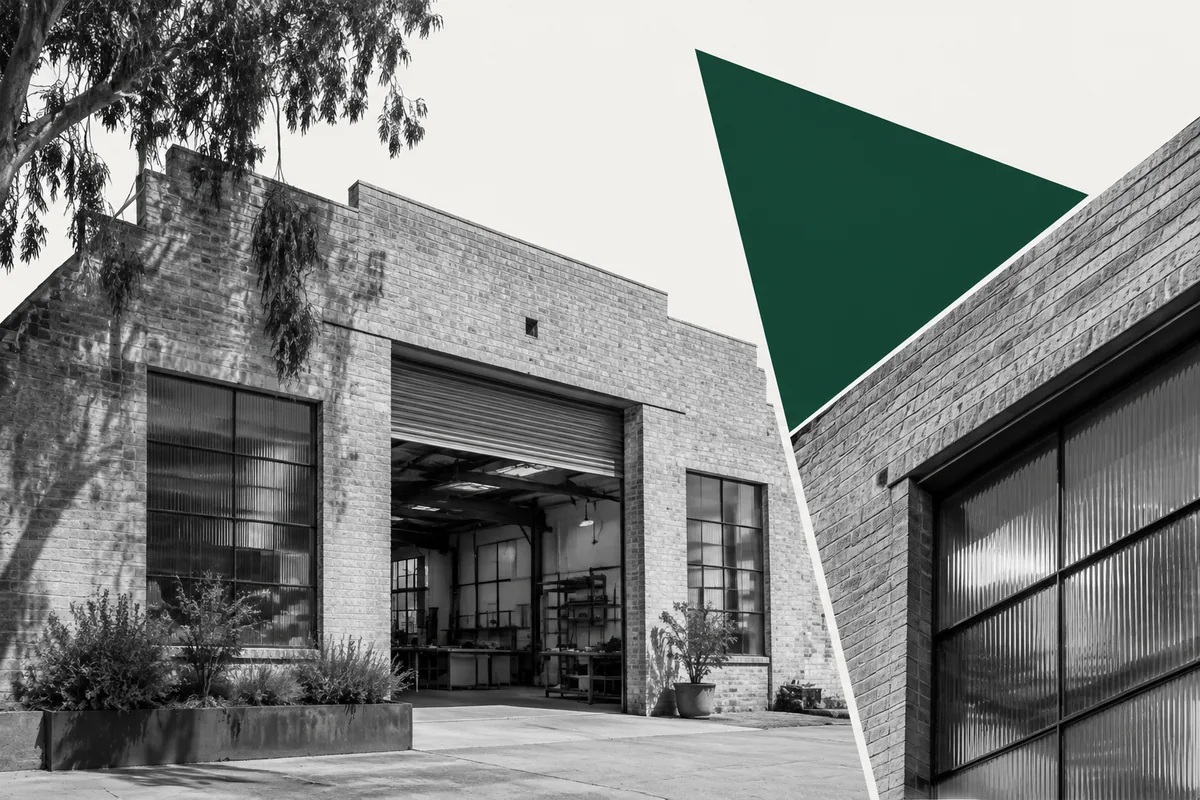


Start with the premises the business needs
A shop, office, warehouse or other business premises should be assessed for both its operational use and its funding commitment. Ask how the location, space and required works fit the business now, and what happens if it needs to relocate or expand.
Owner-occupied premises, investment property and development projects involve different questions. This page works through a business-premises purchase. If the purpose is investment, construction or development, make that clear at the start of the enquiry so the scope can be discussed.
Work out the cash contribution, including the costs around it
Start with the price, then add transaction costs, valuation, finance costs, required works and a separate operating buffer. Confirm the tax and settlement treatment with your advisers; a cash budget should use the amounts actually payable when due.
A valuation is an assessment of the security property, not a promise to finance the purchase price. The lender determines its valuation requirements and proposed advance. Ask how the specific property, use, location and any tenancy arrangements affect the assessment.
| Illustrative premises purchase | Amount |
|---|---|
| Purchase price | $600,000 |
| Transaction, valuation and finance-cost allowance | $30,000 |
| Works before occupation | $20,000 |
| Operating cash buffer | $25,000 |
| Total cash requirement | $675,000 |
| Assumed loan funds available | −$360,000 |
| Cash contribution required | $315,000 |
Swipe or scroll the table sideways to see every column.
For this hypothetical example, assume the valuation is $570,000 and the facility makes $360,000 available. The advance is an input, not a percentage Atlas offers. It is 60% of the purchase price and about 63.2% of that assumed valuation, illustrating why the price and valuation are different reference figures.
The allowances are not tax estimates or quotes. Replace them with transaction-specific amounts and confirm whether fees are deducted, financed or paid separately. A deposit already credited toward the price belongs within the contribution; do not add it to the price again.
Compare buying with continuing to lease
Use the same occupation period and business requirements for both options. Compare cash committed at the start, recurring payments and flexibility. Then show any end-value assumptions separately, since selling a property and continuing to lease do not leave the same position.
| Part of the comparison | Leasing | Buying with finance |
|---|---|---|
| Cash at the start | Deposit, advance rent, fit-out and moving costs under the lease. | Purchase contribution, transaction costs, works and operating cash retained. |
| Ongoing occupancy cash | Rent and the outgoings allocated under the agreement. | Debt payments and ownership costs such as maintenance, insurance and rates. |
| Changes over time | Rent reviews, renewal dates and premises needs. | Rate or repayment changes, repairs and continued suitability of the property. |
| Exit or expansion | Notice, make-good, assignment or other lease conditions. | Sale timing, selling costs, debt payout and any relocation costs. |
| Position at the end | Any recoverable deposit and remaining lease obligations. | An explicitly assumed property value less remaining debt and selling costs. |
Swipe or scroll the table sideways to see every column.
This is a comparison framework, not a property-return calculation. The repayment tool models the loan assumptions you enter; it does not calculate tax, predict property values or decide whether leasing or buying is better.
Test the property commitment against operating cash
A purchase may absorb cash the business previously kept for stock, wages or growth. Model the proposed repayments after ordinary operating costs, tax and existing debt, while retaining a separate cash buffer.
Test a slower trading period and any interval between settlement, fit-out and occupation. Include rent that continues during the move and other costs that overlap. A property loan should not be assessed only by comparing one instalment with today’s rent.
Keep the property checks and finance conditions aligned
| Workstream | Information and questions to prepare |
|---|---|
| Property and use | Address, intended occupation, existing tenancy, required works and matters raised by property advisers. |
| Purchase agreement | Price, deposit, conditions and settlement date. |
| Valuation and finance | Provider valuation requirements, costs, proposed advance and outstanding conditions. |
| Business and borrower | Purchasing/borrowing entity, contribution, trading information, existing debt and repayment forecast. |
| Settlement and occupation | Payment amounts and dates, documents, insurance and the cash required to move in and trade. |
Swipe or scroll the table sideways to see every column.
Obtain the appropriate legal, accounting and property advice. A lender’s decision concerns its finance proposal; it does not replace your due diligence on the premises or purchase agreement.
Prepare a premises-funding conversation with Atlas
You can begin with the property type, intended business use, price range, available contribution and timing. Atlas helps you organise the funding requirement and compare the repayment assumptions so the conversation includes the operating business as well as the building.
Use the enquiry to explain what is settled and what remains uncertain, such as the valuation, fit-out cost or purchase conditions. Keep supporting property and financial records ready for the appropriate secure process if requested.
What to prepare
- Property address, type, intended use and occupation arrangements
- Price, contract conditions, deposit already paid and settlement timing
- Purchase-cost allowances, works budget and operating buffer
- Available contribution and its timing
- Existing debt, trading records and repayment forecast
- Valuation requirements and property-adviser questions
- Any overlap between current rent, works and the new loan payments
Common questions
How much deposit do I need for a commercial property loan?
There is no universal amount. The proposed loan, purchase price, valuation, costs and your circumstances determine the cash requirement. Include transaction costs and the operating buffer instead of treating the deposit percentage as the whole budget.
Can the bank valuation differ from the purchase price?
Yes. Keep the agreed price and the assessed security value separate, and ask which basis the provider uses in its proposal. Do not assume the purchase price determines the available advance.
Is a commercial premises loan the same as a home loan?
No. The property use, borrower, repayment evidence and product terms can differ. Compare the actual commercial proposal and make the purpose clear from the start.
Should I buy the premises or continue renting?
Compare upfront cash, recurring occupancy costs, flexibility, the intended period of use and the position at the end. Keep tax and property-value assumptions explicit and obtain advice for your circumstances. A repayment estimate alone cannot answer the question.
Does Atlas’s calculator work out the full property purchase budget?
The loan-comparison tool models supported monthly loan and fee assumptions. Add the transaction costs, works, cash contribution and operating buffer in a separate budget. It does not estimate property value or calculate tax.
Does this page cover property development finance?
It focuses on premises the business intends to occupy. Development, construction and investment transactions need their own project and service-scope discussion. Describe that purpose clearly when enquiring.
What should I discuss with Atlas first?
The premises, business use, expected price, contribution and timing. If some figures depend on due diligence, identify them as provisional. An enquiry helps start the funding discussion; it is not a valuation, credit approval or lender application.
General information only. Product terms and availability vary. Check the actual proposal and obtain advice appropriate to your circumstances.